


Winter has a habit of finding every weak spot on a farm. The battery that struggled in September gives up in November. The roof leak lands directly above the tool chest. And the torch disappears just as the daylight does.
A little preparation makes those cold, wet repair jobs easier to manage. Use this farm workshop winter checklist to get your workspace, equipment and supplies ready before the weather turns.
1. Get the building ready
Start with the workshop itself. There is little point drying your tools if the roof gives them another soaking overnight.
- Check for roof leaks, damaged doors and draughts. Arrange safe access for any work at height.
- Clear gutters and drainage channels using a safe method.
- Remove clutter from walkways, exits and working areas.
- Deal with oil spills and keep absorbent materials handy.
- Keep grit accessible for icy approaches.
Give frequently used tools a proper home. Looking for a socket is irritating enough without doing it with cold fingers.
2. Sort lighting, heating and ventilation
Shorter days make poor lighting harder to ignore. Check benches, machinery bays and the route between the yard and workshop.
- Replace failed lights and clean fittings safely.
- Charge portable work lights and check spare torches.
- Inspect heaters and follow their clearance and ventilation instructions.
- Keep heaters away from fuel, aerosols and combustible materials.
- Check ventilation and any fume extraction equipment.
Closing the doors to keep warm must not compromise ventilation. Welding fumes and engine exhaust need suitable controls; general room ventilation alone may not be enough.
3. Check tools before the busy jobs
Winter repairs soon expose worn tools. Inspect the equipment you reach for most often.
- Remove damaged spanners, sockets and striking tools from use.
- Check power-tool guards, leads, plugs and switches.
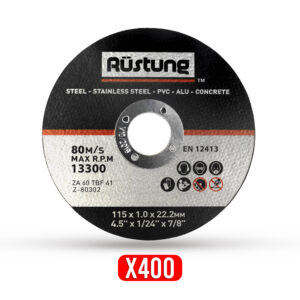
- Inspect grinding and cutting discs for damage and suitability.
- Clean and dry hand tools before storing them.
- Store batteries and chargers within the manufacturer’s temperature limits.
Replace doubtful equipment before starting a job. A rounded socket rarely improves anyone’s afternoon.
4. Prepare machinery for cold weather
Work through each machine’s service schedule and record what needs attention.
- Check coolant condition and frost protection against the manufacturer’s specification.
- Inspect batteries, terminals and charging systems.
- Check tyres, lights, wipers and screenwash where fitted.
- Inspect hoses and belts for wear or damage.
- Follow storage and frost-protection instructions for pressure washers and water systems.
Before maintenance, follow Safe Stop: apply the handbrake, put controls in neutral, switch off and remove the key or lock off the power. Release stored energy safely and secure anything that could move or fall.
5. Inspect lifting and compressed-air equipment
Heavy repairs need equipment you can trust.
- Check jacks, axle stands, lifting accessories and their load markings.
- Confirm inspections and any required thorough examinations are up to date.
- Inspect air hoses, couplings and compressor equipment.
- Follow the compressor manufacturer’s condensate-draining procedure.
Use the correct lifting points on firm, level ground. Never work beneath a vehicle supported by a jack alone. Use suitable axle stands and secure raised machinery with the specified mechanical supports.
6. Restock the everyday essentials
Running out of a small consumable can stop a much bigger job.
- Count gloves, cleaning products, wipes and absorbents.
- Check stocks of grease, suitable lubricants and penetrating oil.
- Replenish commonly used fixings, drill bits and abrasives.
- Store chemicals securely according to their labels.
- Set minimum stock levels for regularly used items.
Base quantities on the repairs you actually carry out. Three cupboards of odd bolts do not guarantee you have the right one.







7. Check emergency supplies and plan ahead
- Check first-aid supplies and eyewash condition and expiry dates.
- Keep suitable fire extinguishers accessible and arrange servicing when due.
- Replace damaged eye, hearing and other protective equipment.
- Charge batteries in a ventilated area away from ignition sources.
- List outstanding repairs, order parts and give each job an owner.
HSE’s workshop guidance highlights battery-charging ventilation, suitable protective equipment and keeping tools in good condition as essential checks.
Get your farm workshop ready for winter
A winter-ready workshop helps you tackle repairs with less searching, fewer interruptions and the right equipment within reach.
Multimax Direct is your farm workshop specialist. Visit multimaxdirect.com for tools, workshop equipment and consumables, and get your winter essentials organised before the next breakdown.