
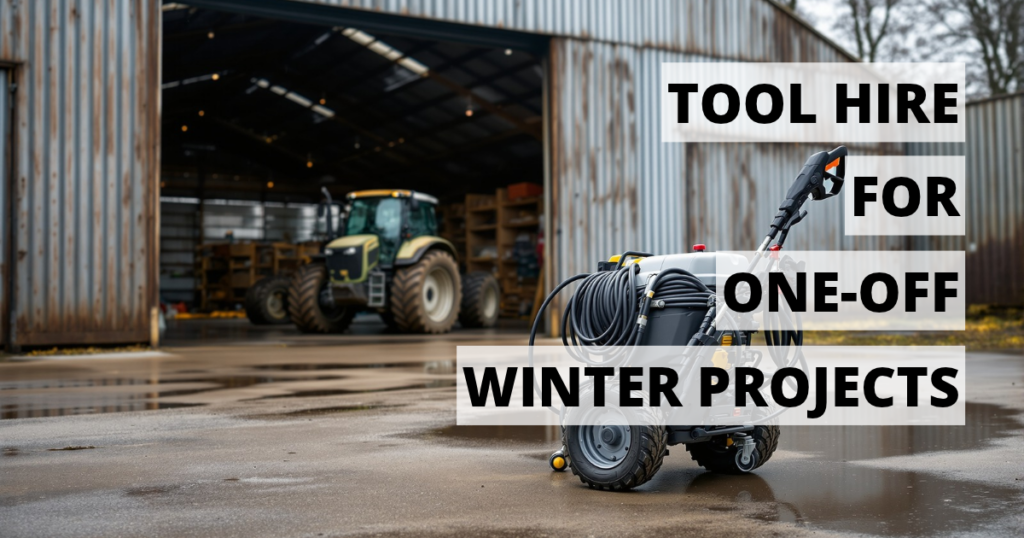
Hiring specialist equipment makes sense when you’ve got a winter farm job with a clear finish date and little use for the kit afterwards. A pressure washer for a machinery clean-down, a post hole borer for a short run of fencing or a welder for a batch of workshop repairs can all be worth hiring. Compare the full hire cost with what it would cost to buy and keep the equipment.
Winter is when the jobs you’ve been walking past since harvest finally get their turn. The trick is getting the job ready before the kit arrives. A welder sitting in the workshop while you wait for a sheet of steel is an expensive way to keep the bench company.
What tools are worth hiring for winter farm jobs?
Start with the job you need to finish. The size of the job, the space you have and the services available on site all affect which equipment to book. Here are three examples from the Multimax Direct tool and equipment hire range.
| Winter project | Equipment to ask about | What to check before booking |
|---|---|---|
| Cleaning machinery before servicing | Hot or cold pressure washer | Water supply, hose reach and where the wash water will go |
| Replacing a short run of fence posts | Post hole borer | Post dimensions, ground conditions and access along the fence line |
| Making a batch of steel brackets | Welder and angle grinder | Material thickness, available power and which consumables are included |
Check who will use the equipment as part of planning the job. The Health and Safety Executive says work equipment must be suitable for the task and used by people who have received adequate information, instruction and training. The same duties apply to equipment your employees use on hire. See the HSE guidance on work equipment.
When is hiring better value than buying?
Hire is usually worth pricing up when the job is occasional, you can schedule it in a short block and the equipment would spend most of the year in storage. Buying becomes easier to justify when the same tool gets regular use or you need it on hand at short notice.
Compare the cost of hiring for the jobs you realistically expect over the next year with the cost of owning the tool over the same period. Ask for a quote that covers the hire period, delivery and collection where needed, any damage waiver you choose and any accessories you’ll pay extra for. Count consumables on both sides if you’d need them either way. For ownership, allow for servicing, repairs and storage, and factor in any resale value if you’re comparing over a fixed period.
How do you avoid paying for idle hire days?
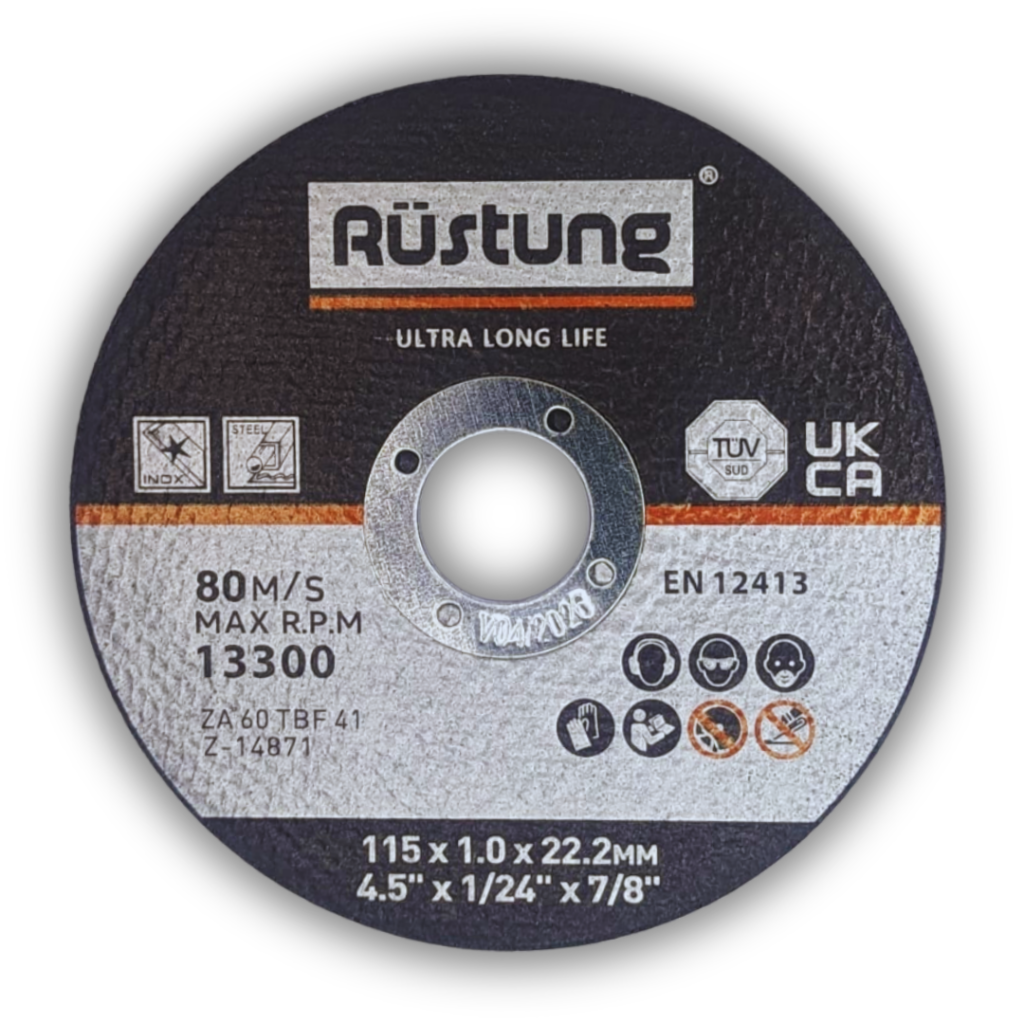
Get the materials, people and workspace lined up before the hire starts. If you’re making brackets, for example, measure up, get the steel and fixings in, and clear the bench before collecting the welder. If the project involves trimming steel with a compatible angle grinder, ask whether a Rustung Ultra Long-Life 115 mm × 1 mm cutting disc suits the grinder and the material, and whether discs are included in your quote.
For outside jobs, check the forecast and yard access close to the booking date. A track that was fine on Monday can look rather different after two days of rain. If you’re hiring over a weekend, confirm when the equipment is due back and what an extra day would cost if the job runs over.
What should you tell the hire team?
Have the job description, key measurements, preferred dates and farm postcode to hand. Mention limited access or power if it could affect the choice of equipment. That gives the hire team enough to advise on the kit, accessories and hire period.
Got a one-off job you want finished before spring? Ask Multimax Direct for a tool hire quote.